
Nowadays, meals look different. Folks check labels more often since care about where food comes from, how it's grown, what’s inside. Cleaner stuff matters a lot these days - think fewer chemicals, simpler ingredient lists. Farms using old-style ways of raising animals are getting noticed, especially those letting chickens roam outside. People like knowing their meat was raised right, close by, without shortcuts. That realness draws them to find local farms offering birds that lived on open land.
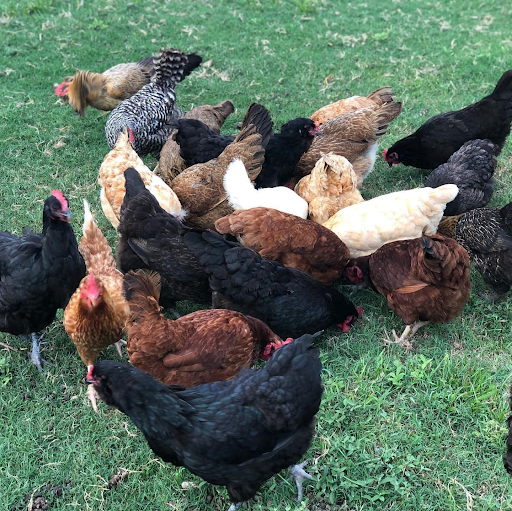
Outdoors, pasture raised chicken near me in Texas move freely - grazing on grass, hunting bugs, breathing fresh air. Not stuck inside coops, they live differently than most farm birds. Some say the meat turns out firmer, richer, somehow brighter in taste. Ethical treatment matters too; letting animals act naturally feels right to many.
Most people feel more tied to nearby farms these days. Buying straight from growers in the area lets households see exactly how meals move from fields into homes. Knowing the journey builds trust in what ends up on plates.
How pasture raised chicken differs?
Out in the open, chickens act like chickens - pecking, scratching, moving. Factory-style farming? It pushes speed, packing birds close to grow fast. Their feed matters too, shaped by where they live. Pasture birds eat what's around them, bugs included. Tight indoor setups rely on set meals, made for size, not natural habits.
Fresh air and open spaces shape how food feels, tastes, lives. Home kitchen trials often show birds raised on grassland pack denser flesh, deeper notes than factory-packed store-bought kinds.
Most of the time, birds eat many things - like grass, bugs, or seeds - in addition to what they’re given on farms. People concerned about how animals live tend to like this way of raising them, since it lines up with eco-friendly methods.
Nowadays people care more about where their food comes from, so lots of them look for options grown in ways that are kinder to the land and fairer to workers.
Local Farms Keep Poultry Fresh
Freshness matters a lot if you’re buying chicken. When it comes from local farms, the trip to your table is quicker - so it tastes better.
Farms close by tend to draw folks keen on knowing where their food comes from. Talking directly to growers happens when people step into a market or walk through fields out back. One big thing? Clear answers on how animals are raised. Another piece - seeing what goes into feeding them matters just as much. Processing steps become less of a mystery once someone watches it unfold firsthand.
Poultry raised close to home breathes life into local economies, preserving age-old farming ways in nearby towns. Though bigger operations chase volume, many small-scale growers choose thoughtful care of birds - drawing buyers who weigh flavor and integrity above sheer amount.
Folks near Houston are picking local meat more often, now that they care where their food comes from. Rural spots nearby notice it too, since buyers want closer-to-home options instead of distant suppliers.
Signs of Fresh Healthy Chicken
Free-range doesn’t mean the same thing as organic - each label points to its own set of farm rules. Seeing these words on packaging might seem clear at first glance, yet differences hide beneath the surface.
Birds raised on pasture usually get plenty of outdoor access, free to roam as they please. Even so, checking product tags matters - don’t skip asking farmers just how their methods really work.
Poultry that's fresh feels solid when touched, shows natural color tones, then sits neatly inside its wrap. When there’s too much fluid around it or a sharp smell hits your nose, step back - signs like those often point to careless storage or older stock kept too long.
Freshness matters when it comes to choosing poultry, so many folks turn to nearby farms they know by name. What drives that choice? A clear view into how birds are raised makes all the difference. Trust builds slowly - through open barn doors, honest conversations, through visits where questions get answered on the spot. Buying close to home isn’t just habit - it sticks because real access shapes confidence. Those connections don’t form online or at chain stores; they grow in person, feather by feather.
Consumers Focus on Animal Wellbeing
These days, how animals are treated shapes what people pick to eat. Some shoppers care about whether farm creatures live free from harm, out in open spaces instead of tight cages. Others look closely at where their meat comes from, hoping it means less suffering along the way.
Out here, animals move freely, unlike crowded factory farms. Because shoppers care more about where food comes from, this way of farming fits better with their values.
Folks these days tend to wonder more about how food is grown, since what ends up on the table ties into both health and beliefs. When growers nearby share details of their work plainly, trust grows slow but steady over time.
Out here, where folks pay closer attention every day, farms and stores start feeling the change - driven by honesty, guided by kindness. What shows up on shelves now carries weight, shaped not just by cost but care. People watch labels like they’re clues, searching for proof things were done right. Behind each bite, a story matters more than before. Even quiet choices ripple through aisles once focused only on price.
Cooking Tips for Better Flavor and Texture
Chicken raised on pasture tends to behave unlike factory-farmed birds when heated - its texture tighter, its moisture lower. To keep it soft, treat it gently over heat. A slow sear builds depth without drying out the flesh. Each piece responds better when given space and time. Juices run clearer, taste richer, when rushed less.
Most of the time, slow heat wins. A few minutes too long can pull out all the juice, which is why some choose soaked flavors instead of high flame.
Herbs just picked, a clove of garlic, maybe some lemon - these bring out what's already good in chicken. Roast one whole on a Sunday, take pieces outside to char over flame, or let time do the work until the flesh gives way softly. Each method lets taste stay clear, never buried.
Fresh food from nearby farms often tastes better, which might make you enjoy dinner more. Because it is closer to harvest, your body gets more of what it needs when cooking at home.
How Sustainable Farming Helps Communities
These days, folks pay closer attention to how food is grown because nature matters more now. Instead of sticking to old ways, some chicken farmers shift their animals between pastures to help soil recover. Healthy ground grows better plants, which feeds birds without draining the earth. Taking care like this keeps water clean and bugs balanced nearby.
Farms nearby catch attention when folks care about farming that respects nature, also favoring meals that travel fewer miles. Since food moves less across distances, neighborhoods keep tighter control over what they eat.
Out in the fields, good care of grassy areas lifts soil health, while giving room for many species to thrive. Moving animals between sections keeps their living spaces fresher, plus protects native plants from vanishing.
Farmers sticking with these methods help keep agriculture steady over time while also building closer ties through local food networks. Consumer trust grows when people see where their meals come from, especially when routines stay consistent across seasons. Over years, reliable habits on the land support both soil health and community connections. What takes root isn’t just crops - it’s mutual reliance shaped by shared place and practice.
Transparency Shapes How People See Their Food Today
Folks these days expect to know where their food really comes from. Because of that, openness shapes what people pick at stores and restaurants alike.
Finding out where meat comes from matters to many folks - what creatures ate, how they lived, if methods feel right. Those growing food tend to gain belief when sharing such truths plainly.
These days, folks are looking up pasture raised chicken nearby because knowing what’s on the plate matters. Because they see who grows it, trust builds fast. What begins as curiosity often sticks around as habit. People like picturing the farm behind their dinner. When labels tell a story, choices feel clearer. Seeing chickens outside instead of indoors shifts how meals are viewed. Distance from farm to table shrinks when buyers ask questions. Confidence shows up when details are shared openly. Knowing beats guessing every time. Meals carry more weight when origin is clear.
Farmers answer directly to those who eat their food, building trust through face-to-face ties that strengthen local growing practices. When people buy close to home, they help roots go deeper than profit. Knowing where meals come from changes how fields are farmed. Responsibility grows alongside crops when distance shrinks between soil and table.
Conclusion
Poultry raised on open pastures keeps catching on, thanks to shoppers wanting honest food they can trust. A deeper taste comes through when birds live close to nature instead of being penned up. Families often notice a difference once they try chickens grown nearby under better conditions. Clearer labels help people understand where their meat really came from. Better days for the animals seem to show up on the plate.
Out here, more folks are searching for pasture raised chicken nearby - a sign tastes are shifting toward better food choices and closer ties to the land. With a little time spent finding farmers fresh meat, people start backing homegrown growers, picking up meals that carry the care of honest animal raising and earth-friendly habits.
Frequently Asked Questions
1. What does pasture-raised chicken mean?
Outdoors is where these chickens get most of their days, moving around freely rather than being shut inside all the time. A natural setting becomes part of their routine, not just four walls and a roof overhead. Instead of cages or crowded barns, they find space under open skies. Fresh air matters more than artificial lighting when raising them this way. Their lives include sunlight, grass, dirt - things missing in closed-up spaces.
2. Does pasture-raised chicken taste different?
Fresh air moves under their wings as they roam, which gives the meat deeper taste along with a denser feel. Birds peck at bugs and seeds across open ground, adding sharpness to each bite instead of bland uniformity.
3. How should pasture-raised chicken be cooked?
Start slow, keep the heat low so the meat stays soft. That way, juices stay locked in, taste stays rich. Not too hot - gentle works best here.
4. Why do consumers prefer local poultry farms?
Freshness shows up more on plates when food comes straight from nearby fields. Because trust grows easier when you know where your meal started, small growers tend to share openly about their methods. A short journey from soil to table ties people closer to the seasons. When communities support local harvesters, care for land becomes a shared rhythm instead of a distant idea.