
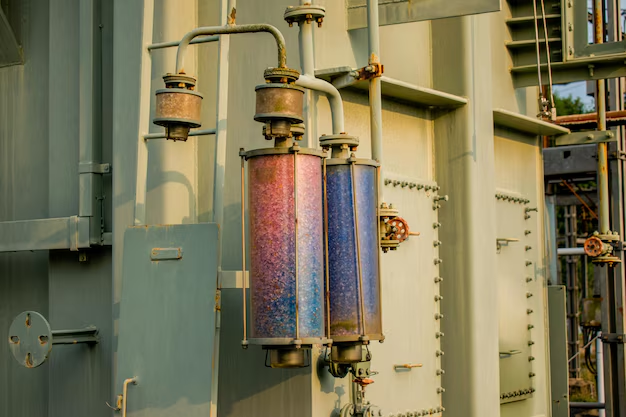
Effective heat operation is vital in artificial and marketable operations. Heat exchangers are at the core of this process, icing that energy is transferred effectively between fluids while maintaining safety, trustability, and system effectiveness. Among the protean and extensively habituated options is the C100 heat exchanger, known for its robust design, high performance, and rigidity across multiple operations.
At Courtney & Nye, we understand the significance of opting heat transfer results that combine effectiveness, continuity, and inflexibility. In this blog, we explore the design, working principle, benefits, operations, and conservation considerations of the C100 heat exchanger, helping you make informed opinions for your thermal operation requirements.
What Is a C100 Heat Exchanger?
The C100 heat exchanger is a plate- type thermal device finagled to transfer heat between two fluids efficiently without allowing them to mix. Its design is compact yet largely effective, making it suitable for both artificial and marketable operations.
C100 models are frequently used in surroundings where:
Precise temperature control is essential
Space constraints bear compact results
High thermal effectiveness is asked
System trustability and low conservation are precedences
The modular nature of the C100 heat exchanger allows it to be acclimated to colorful inflow rates and thermal loads, making it a flexible result for different functional conditions.
How the C100 Heat Exchanger Works
Understanding the working principle of a C100 heat exchanger highlights why it's both effective and dependable.
Plate Design and Heat Transfer
The C100 is constructed from a series of thin, corrugated plates piled together. Each plate separates the hot and cold fluids, creating individual inflow channels.
The corrugation not only strengthens the plates but also increases turbulence within the fluids, which enhances heat transfer and reduces the threat of fouling.
Counter-Flow Configuration
utmost C100 heat exchangers use a counter-flow arrangement, where the two fluids move in contrary directions.
This maximizes the temperature grade between the fluids, perfecting overall thermal effectiveness.
Sealed Channels
Gaskets or brazed seals insure that the fluids remain separated while allowing heat to pass through the plate material.
This design guarantees leak-free operation and dependable performance over extended ages.
Crucial Features of the C100 Heat Exchanger
The C100 heat exchanger offers several features that make it an seductive choice for a wide range of operations.
Compact Design
Compared to shell- and- tube heat exchangers, the C100 occupies lower space, making it ideal for areas with limited installation room.
High Thermal effectiveness
The combination of corrugated plates and counter-flow design ensures maximum heat transfer effectiveness, leading to energy savings and optimized system performance.
Flexible Configuration
The modular design allows fresh plates to be added or removed, enabling capacity adaptations to meet changing process demands.
Easy conservation
Gasketed plate designs allow for easy disassembly, cleaning, and examination.
This reduces time-out and simplifies servicing procedures.
Durable Construction
Constructed from high-quality accoutrements, the C100 is resistant to erosion and able of handling high pressures and temperatures.
Industrial Applications of the C100 Heat Exchanger
The versatility of the C100 makes it suitable for a variety of diligence.
HVAC Systems
In heating, ventilation, and air exertion systems, the C100 can be used for:
Hot water heating
Stupefied water cooling
Heat recovery systems
Its compact design and high effectiveness ameliorate energy performance and reduce functional costs.
Food and Beverage Industry
Maintaining precise temperature control is critical in food and libation product.
The C100 supports pasteurization, cooling, and heating processes while meeting hygiene norms.
Chemical Processing
In chemical shops, heat exchangers are essential for controlling response temperatures, cooling process aqueducts, and recovering heat from exhaust aqueducts.
The C100 performs reliably indeed under grueling conditions.
Marine Applications
Marine vessels bear compact and robust heat exchangers for machine cooling, HVAC, and freshwater heating.
The C100’s continuity and small footmark make it well-suited for confined spaces on vessels.
Power Generation
Power shops use heat exchangers for cooling, waste heat recovery, and temperature regulation in turbines and supplementary systems.
The C100 contributes to effective energy operation and bettered system trustability.
Advantages of Choosing the C100 Heat Exchanger
opting the right heat exchanger directly impacts system effectiveness, operating costs, and trustability. The C100 offers several advantages:
Enhanced Energy Efficiency: High thermal performance reduces the energy needed to achieve asked temperatures, contributing to lower functional costs and bettered sustainability.
Compact and Space-Saving: The small footmark makes it easier to integrate into being systems or installations with limited installation space.
Reduced Fouling: Turbulent inflow generated by the plate design minimizes deposit buildup, helping maintain harmonious heat transfer over time.
Inflexibility and Scalability: The modular design allows for capacity adaptations without replacing the entire unit, furnishing long-term rigidity.
functional trustability: High-quality accoutrements and precise construction insure that the C100 operates efficiently under varying pressures and temperatures.
Conservation and Care
Proper conservation ensures long-term performance and effectiveness of the C100 heat exchanger.
Regular examination
Periodic examination of gaskets, plates, and seals helps identify wear and tear or damage beforehand.
Checking for leaks, erosion, and pressure drops ensures the system operates efficiently.
Ddrawing Procedures
Depending on the operation, cleaning may involve:
Chemical cleaning (CIP – Clean-In-Place)
Homemade cleaning after disassembly
Regular cleaning prevents fouling and maintains optimal heat transfer effectiveness.
Gasket relief
Over time, gaskets may degrade due to temperature oscillations or chemical exposure.
Timely relief prevents leaks and ensures dependable operation.
Performance Monitoring
Monitoring temperature differentials, inflow rates, and pressure drops provides sapience into system performance and helps descry issues beforehand.
Design Considerations When opting a C100 Heat Exchanger
Proper selection of a C100 heat exchanger is critical to achieving optimal performance. crucial factors include:
Type and parcels of the fluids involved
Operating temperature and pressure
needed heat transfer capacity
Space and installation constraints
Material comity with the fluids
At Courtney & Nye, we work nearly with guests to insure the named configuration meets functional requirements and nonsupervisory norms.
Energy Optimization Strategies
Energy effectiveness is a precedence in ultramodern artificial operations. Several strategies enhance C100 performance:
Flow Rate Optimization
Adjusting inflow rates according to system demand improves effectiveness and reduces energy consumption.
Thermal Recovery
Using the C100 to recover waste heat from process aqueducts reduces energy waste and supports sustainable operations.
Proper Sizing
opting the correct size and plate configuration ensures the heat exchanger operates efficiently without overcapacity.
Why Choose Courtney & Nye for Heat Exchangers?
At Courtney & Nye, we give expert guidance in opting, installing, and maintaining high-performance heat exchangers, including the C100 model. Our focus is on:
Specialized discussion and system analysis
tailored results grounded on process conditions
Professional installation and support
preventative conservation programs
Long-term functional optimization
By partnering with Courtney & Nye, guests gain access to dependable thermal results that enhance productivity and system effectiveness.
Conclusion
The C100 heat exchanger is a versatile, efficient, and durable solution for a wide range of thermal applications. Its compact design, high thermal performance, and ease of maintenance make it ideal for HVAC systems, industrial processes, food and beverage production, marine operations, and power generation. Leading heat exchanger suppliers often recommend the C100 for industries seeking reliable and high-efficiency thermal management solutions.
Proper selection, installation, and conservation of the C100 heat exchanger can ameliorate energy effectiveness, reduce functional costs, and insure dependable system performance.
With the moxie of Courtney & Nye, businesses can apply high-quality heat exchanger results acclimatized to their specific requirements, icing optimal thermal operation and long-term functional success.