
If you’ve spent even a little time around handguns, you already know the magazine matters more than people like to admit. It’s not just a box that holds rounds — it’s the heartbeat of the whole setup. Scroll through any listings for glock 19 mags for sale, and you’ll see a mix of factory originals and cheaper aftermarket options, all claiming to be “just as good.” Some are. Some really aren’t. And yeah, that difference usually shows up at the worst possible time. So the real question isn’t just price or capacity — it’s reliability, durability, and what you’re actually using your Glock 19 for.
OEM Glock 19 Magazines – The Baseline Everyone Compares To
OEM mags — straight from Glock — are kind of boring in the best way. They just work. Polymer body, steel-lined, consistent spring tension, and they feed like they’re supposed to. You don’t really think about them, and that’s the point. Whether it’s range day or something more serious, they don’t give you surprises. Are they perfect? Not exactly. They cost more, and you’re usually stuck with standard capacities unless you go extended factory versions. But still, most experienced shooters default to OEM without even thinking twice. It’s not hype, it’s just years of proven performance stacking up.
Aftermarket Glock 19 Magazines – More Options, More Variables
Now aftermarket mags, that’s where things get messy. Tons of brands out there — some solid, some questionable. You’ll find everything from budget-friendly options to high-end extended mags with flashy designs and aggressive marketing. The appeal is obvious: lower cost, higher capacity, sometimes better ergonomics. But here’s the catch — consistency. One batch might run flawless, the next one jams every few rounds. Springs can be weaker, feed lips wear faster, tolerances feel… off. Not always, but enough that you start paying attention. It’s not that aftermarket is bad across the board, it’s just less predictable.
Reliability – Where the Real Difference Shows
Let’s not overcomplicate it. Reliability is king. A magazine either feeds properly or it doesn’t. OEM mags have a long track record of doing exactly that, across different ammo types, conditions, and levels of wear. Aftermarket mags? It’s a mixed bag. Some brands get close to OEM reliability, especially the more established ones, but others fall short in ways that aren’t obvious until you’re mid-use. Failure to feed, double feeds, failure to lock back — small issues that quickly become big ones. If your Glock is for defense, not just range fun, this part matters more than saving a few bucks.
Price vs Performance – Is Cheaper Really Worth It?
Here’s where people start debating hard. Aftermarket mags are cheaper, no question. You can sometimes get two for the price of one OEM. That sounds like a win, until you factor in performance over time. If one out of every few mags has issues, you’re not actually saving anything — you’re just trading money for frustration. On the flip side, if you find a reliable aftermarket brand, then yeah, it can be a smart move. It just takes more trial and error. OEM is the safer bet. Aftermarket is more like gambling, sometimes it pays off, sometimes it doesn’t.
Durability and Long-Term Use
OEM Glock mags are built to take abuse. Drop them, reload them a thousand times, leave them loaded for months — they hold up. The polymer doesn’t crack easily, the internal steel liner keeps everything in shape, and the springs stay consistent longer. Aftermarket mags vary a lot here. Some hold up fine, others start showing wear quicker than expected. Feed lips spreading, springs losing tension, base plates getting loose — little things that creep in over time. It’s not always immediate, which makes it trickier. You think it’s fine… until it’s not.
Capacity and Customization Options
This is where aftermarket mags usually win. If you want higher capacity or something a bit different, aftermarket brands offer way more flexibility. Extended mags, drum mags, colored bodies, different base plates — it’s all there. OEM options are more limited and stay pretty traditional. For range shooters or people who just like customizing their setup, aftermarket definitely has the edge. But again, more options also means more room for problems if you don’t choose carefully.
When a 32 Round Mag Makes Sense
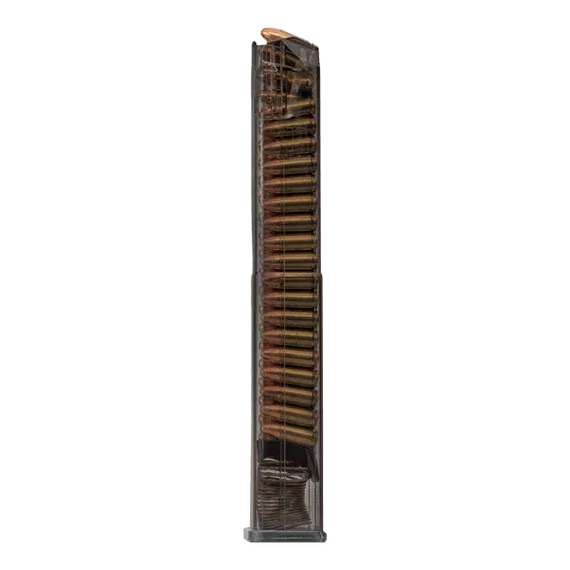
Now let’s talk about the 32 round glock mag. It’s one of those things that sounds excessive until you actually use it. For range sessions, it’s honestly fun — less reloading, more shooting, simple as that. Some people keep them for home defense setups too, though that depends on personal preference. OEM Glock does make extended mags, but a lot of the popular 32-round options come from aftermarket brands. Just remember, the longer the mag, the more stress on springs and feeding angles. Quality matters even more here, because problems tend to show up faster in extended mags than standard ones.
Which One Should You Actually Buy?
So here’s the honest answer — it depends on what you care about. If you want zero headaches and maximum reliability, OEM is the way to go. It’s not exciting, but it works every time. If you’re experimenting, shooting mostly at the range, or want higher capacity options, aftermarket mags can be worth trying. Just don’t go blindly cheap. Stick with brands that have a decent reputation, and test them properly before trusting them. A mix of both isn’t a bad idea either. A few OEM mags for serious use, and some aftermarket ones for range days.
Conclusion
At the end of the day, magazines aren’t where you want surprises. That’s really what this whole OEM vs aftermarket debate comes down to. OEM Glock mags give you consistency, durability, and peace of mind. Aftermarket mags give you variety, sometimes better pricing, and more customization — but with a bit of risk attached. When you’re browsing glock 19 mags for sale, it’s easy to get pulled in by price or capacity alone, but step back and think about how you’ll actually use them. Because when it matters, the “better” option isn’t the cheapest or the flashiest — it’s the one that works. Every. Single. Time.