
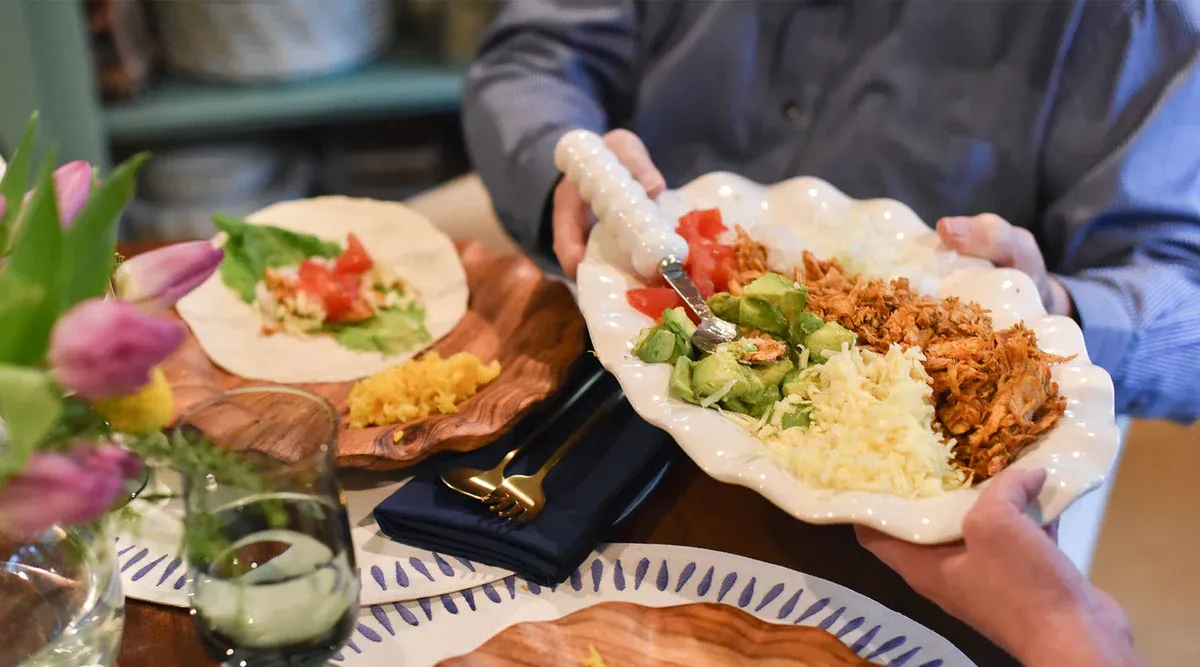
Meals around the table look different these days than they did ten years ago. Time gets sliced thin by jobs, classes, and plans filling every evening. Because of this pressure, getting dinner ready fast matters more than ever. Cooking from scratch? That takes a back seat when life moves quickly. Many homes turn instead to meal kits, delivery apps, or takeout spots offering decent taste without kitchen chaos. These choices fit tighter routines while still bringing everyone something warm on a plate. Sharing food stays important even if the method shifts. Restaurants that cater too - menus adapt, service speeds up, spaces welcome families just passing through. The way we eat together keeps changing shape.
Meals out do not need a visit inside anymore. Ordering by phone means food waits at the curb, or arrives at the door. With habits shifting slowly, quick ways to get dinner stick around. These options now fit how homes eat today.
The Rise of On-Demand Meal Choices
Most households turn to ready-made dinner options because they fit better into busy routines. Juggling jobs and home duties leaves little room for daily cooking, especially after long days. Getting dinners delivered means good-tasting dishes show up fast - no hours spent in the kitchen. Time once lost to shopping or prepping now goes toward sitting at the table, talking, just being around.
These days, family-friendly eateries are offering tailored menus, digital ordering, yet quicker deliveries to keep up with what diners want. Quality sticks around even when things move fast, since most places pour effort into fresh ingredients, how food looks, along with making guests happy.
Technology Changes How People Eat Out
Nowhere is change more clear than in how people order meals. From living rooms, parents scroll through options on their phones instead of calling takeout spots. One click lines up dinner - no phone tag, no waiting. Ordering happens fast, often before the kids even ask what’s for lunch. Speed joins ease when websites load quick and choices appear at once. Less hassle means folks stick around longer online. Picking a meal feels smoother now that everything shows up in one spot.
Most high-end eateries serve top-quality meals through delivery, matching what guests get when they dine inside. When places adjust to new habits, trust grows with neighbors who live nearby.
Families Spend More Time Together
These days, getting food ready at home feels different. Families now talk more because someone else handles dinner prep. A quiet evening might mean a takeout box on the table instead of pots on the stove. With less time spent washing dishes, kids and adults sit longer, sharing stories. Delivery apps let tired workers skip cooking, leaving room for calm evenings together.
Weekends, holidays, or packed school terms - meals that are simple to prepare matter more when family schedules tighten. Without hassle, dinner still happens on time, which keeps things calm at home.
Restaurants Open New Ways to Serve Food
These days, eating inside a restaurant isn’t enough for most people. To keep up, places pour resources into getting food out the door - sending meals straight to homes, handling events, or building digital platforms so orders flow smoothly. Competition pushes them there.
Home celebrations are on the rise, pushing more restaurants to welcome bigger crowds. Birthday get-togethers, laid-back meetups - these moments now lean heavily on outside meals. Instead of spending hours cooking, families turn to takeout for relief. Busy schedules find a match in quick serving options. Ease matters when hosting becomes routine. Meals arrive just in time, fitting neatly into full calendars.
Local Eateries Still Around
Even if delivery apps get more popular every day, small eateries remain central to how people eat together locally. Meals shared by families usually happen at hometown places where staff know names, preferences stick, and dishes feel like old friends. Places everyone talks about in Tomball, along with favorites just down the road, keep drawing regulars - vibes matter, taste matters more, ties to the area seal the deal.
Some neighborhood eateries mix sit-down meals with takeout ease, so people pick what works when life gets busy. Because of this shift, diners get more ways to enjoy food their way.
The Growth of High End Meals Brought to Homes
Once upon a time, getting food delivery woodlands usually meant greasy burgers or quick bites picked up after work. Now fancy places - white-tablecloth spots with real silverware - send out carefully packed boxes that arrive looking like art. A person might open one to find thick-cut steak, just-seared scallops, maybe even truffle fries stacked on fine ceramic plates. Some meals come with handwritten notes tucked beside herb-garnished entrees under clear lids. Even candlelight at home feels different when the scent of rosemary roast fills the room from a kitchen you didn’t cook in.
Out here, a solid steak spot might bring its kitchen game straight to your door. Even off-site, what lands on the plate sticks close to the real deal found inside. Folks at home now get that level of care without needing reservations. Thanks to shifts like these, high-end flavors fit easier into weeknight rhythms.
Brunch and weekend dining trends keep growing
Sunday mornings now feel different than before. People in groups care less about tradition, more about ease mixed with moments worth remembering. Places serving late breakfasts pull in crowds who want freedom in timing along with dishes they can’t make at home.
Weekends feel different these days, with brunch turning into something beyond just food. People find it easier to connect when the vibe is relaxed, like meeting up without any pressure. Some spots have caught on, offering big plates meant for sharing even if you did not grow up together. Menus shift Saturday and Sunday, shaped by what diners actually want now rather than old habits. Comfort matters more than fancy details, making space for slow mornings that do not rush.
The Role of Mood and Ease When Picking Where to Eat
Still, after so many turned to apps for meals, a place’s vibe pulls weight at mealtime. Now here - families shift from eating out to having food brought to them, just based on how the day unfolds. Seats that let you relax, spaces feeling like a quiet nod of warmth, staff noticing your glass needs filling - all these shape what spot wins their visit.
Woodlands American Grill draws folks back again because the meals taste good and the space feels welcoming. What keeps people coming? It is how they are treated when they walk in - service matters as much as being nearby.
Convenience Shapes How Restaurants Design Menus
Out on the curb, how people eat shifts what shows up on menus. Delivery shapes dishes just as much as taste does these days. Boxes matter more now - they keep things fresh longer. Some kitchens size servings differently so nothing spills or dries out. Choices get trimmed down too, only keeping what travels well. Happy customers often come back when their meal arrives like it should.
Folks who eat out with kids tend to favor spots where meals can be tweaked, nutrition matters, convenience is built in. Success often lands on companies tuning into those details, especially when so many places serve similar dishes.
Family Dinner Changes Ahead
Meals ready to go now shape family dinners in ways that are here to stay. Because life moves fast, what people want from food spots keeps shifting. Not just drop-off meals but also high-end sit-down places or weekend morning menus - options fit tighter schedules. What once felt rare is today's everyday norm.
Out here, picking a spot to eat means more than just hunger. Picture tomball neighborhood spots standing beside polished steakhouses deep in the woods. Each place shares one thing - doing things right matters more every day. Shifts happen fast when people decide what they want. Places built on steady moves, clear help, and smooth turns tend to last longer down the road.