
Most people don’t connect childhood doodles with serious careers. They think it’s just kids passing time. But honestly, that’s not how it works. Early creative exposure sticks. It rewires how kids see the world, how they solve problems, how they imagine things that don’t exist yet. Somewhere in the middle of all that, an art summer camp becomes more than just a seasonal activity. It’s a starting point. Not in a dramatic, life-changing overnight way—but slowly, quietly shaping instincts. Kids who draw, paint, build stuff, they start noticing details others miss. Light, shadows, proportions, movement. That kind of awareness doesn’t just “appear” later in life. It grows early, or it doesn’t grow at all.
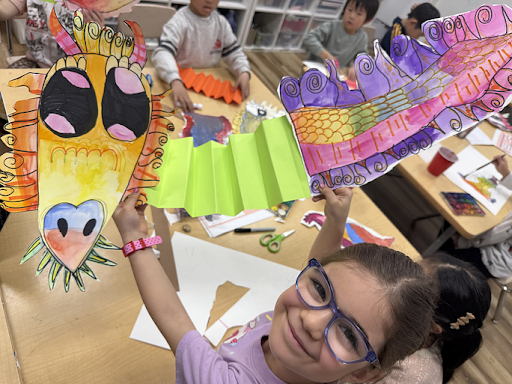
Building Creative Confidence Before It Gets Shut Down
Here’s the thing nobody says out loud—kids are naturally creative until someone tells them they’re not. It happens in school, at home, sometimes even unintentionally. “Stay inside the lines.” “That doesn’t look right.” And boom, hesitation starts. Early art training kind of fights that. It gives kids a space where there isn’t one right answer. Programs like calcolor academy or calcolor cupertino, they don’t just teach technique, they allow mistakes. And mistakes are the whole point, honestly. That freedom builds confidence. Not the loud, show-off kind. More like quiet belief—“I can figure this out.” That mindset? It carries straight into fields like animation and design later on.
Understanding the Basics That Designers Use Every Day
People think design is all about software. It’s not. Software is just a tool. The real work is understanding composition, color, balance, storytelling. Those things don’t come from watching tutorials at 20. They start much earlier. When kids experiment with colors that clash, or shapes that feel off, they’re learning what works and what doesn’t—even if they can’t explain it yet. That’s why places like calcolor academy fremont or calcolor summer camp focus on fundamentals early. Perspective, shading, visual flow. It sounds basic, but it’s not. Those basics are what separate average work from something that actually grabs attention.
How Early Art Training Connects to Animation Skills
Animation isn’t just drawing characters. It’s movement. Timing. Emotion. And weirdly, a lot of that starts with simple sketching exercises kids do without realizing their importance. Drawing poses. Flipping pages to create motion. Even scribbling comic strips. Those small activities train the brain to think in sequences. Cause and effect. Frame by frame. Later, when someone steps into animation software, they’re not starting from zero—they already understand motion in a very human way. Early art training builds that foundation naturally, without forcing it.
Problem-Solving Through Creativity (Yeah, It’s a Real Thing)
Design and animation aren’t just creative fields—they’re problem-solving fields. You’re always figuring something out. How to make a character feel alive. How to communicate an idea without words. How to fix something that just looks…off. Kids who get into art early learn to deal with that uncertainty. They try something, it doesn’t work, they adjust. No big deal. That loop—try, fail, tweak—is basically the entire creative industry. And honestly, it’s hard to teach that mindset later if it wasn’t built early.
The Role of Structured Programs Without Killing Creativity
Some parents worry that structured training will limit creativity. That it’ll make kids too rigid. But good programs don’t do that. They balance structure with freedom. That’s where things like calcolor academy come in. There’s guidance, sure. Techniques, lessons, feedback. But there’s also space to explore. Not everything is graded or judged. That balance matters. Too much freedom and kids feel lost. Too much structure and they stop experimenting. The middle ground is where real growth happens, even if it looks a bit messy from the outside.
Exposure to Tools and Mediums Early On
Another underrated thing—access. Kids who attend art programs get to try materials they wouldn’t normally use. Digital tablets, advanced sketch tools, animation basics, even mixed media. That exposure matters more than people think. It removes the “fear” of new tools later. When someone who’s already experimented with digital art steps into design school, they’re not overwhelmed. They’ve seen it before. Touched it. Played around with it. That familiarity gives them an edge, even if it’s subtle.
Turning Passion Into Direction (Without Forcing It)
Not every kid who joins an art program will become a designer or animator. And that’s fine. That’s not really the goal anyway. The goal is exposure. Direction comes later. But sometimes, somewhere along the way, a kid realizes—“I like this more than anything else.” That moment matters. And it happens more often in environments built for creativity, like an art summer camp for kids. It’s not forced. It just happens. And when it does, it gives kids something rare—a sense of direction early in life, without pressure.
Why This Matters More in Today’s Creative Economy
Let’s be real, careers aren’t what they used to be. Traditional paths are shifting. Creative industries are growing fast—animation, gaming, digital design, content creation. These fields need people who think differently. Not just technically skilled, but visually aware, creatively flexible. Early art training feeds directly into that. It builds the kind of thinking that fits modern careers. Not rigid. Not formula-based. More adaptive, more intuitive. And that’s exactly what design and animation demand now.
Conclusion: It Starts Small, But It Builds Something Big
At first glance, early art training looks simple. Kids drawing, painting, making a mess. Nothing serious. But if you look closer, it’s doing a lot more under the surface. It’s building confidence, observation skills, creative thinking, problem-solving habits—all the stuff that shows up later in design and animation careers. An art summer camp might feel like just a seasonal activity, but in many cases, it’s where the first real spark happens. Not guaranteed. Not instant. But real. And sometimes, that’s all it takes to shape a future.