
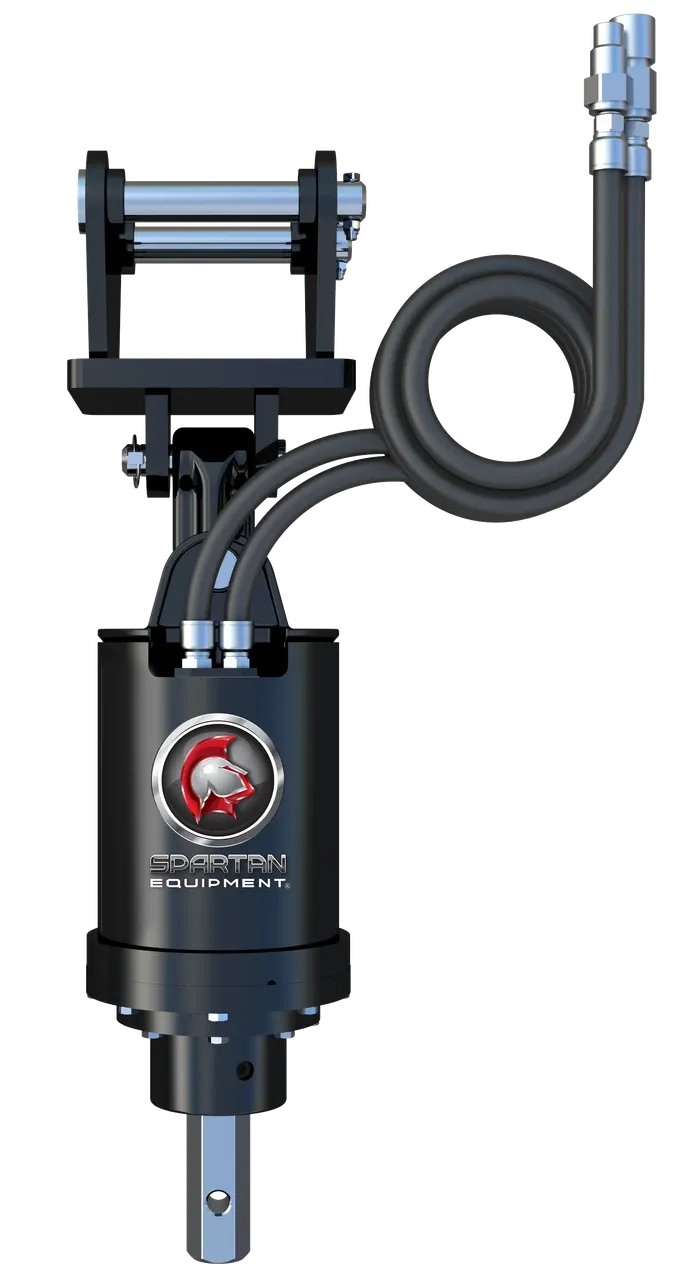
Some jobs don't need a massive machine. They just need the right attachment and enough hydraulic power to get the work done. Drilling is a good example. Contractors working on fencing, landscaping, utility work, and smaller construction projects often need to make multiple holes without bringing a dedicated drilling machine to the site.
A mini excavator auger attachment can turn a compact excavator into a much more useful drilling machine. But not every auger setup delivers the same results. Drive power, bit selection, hydraulic compatibility, construction, and overall design all affect how productive the attachment can be when the work starts getting repetitive.
Why Productivity Matters With Auger Work
Drilling one hole is rarely the problem.
The real challenge comes when there are dozens of them.
A contractor may need to drill holes for fence posts, signs, landscaping projects, gates, small structures, or agricultural applications. If every hole takes too long, the lost time adds up quickly.
That is why the attachment itself matters. A properly matched auger should allow the excavator operator to position the bit, drill, remove material, and move to the next location without unnecessary delays.
The machine is already doing the lifting and positioning. The auger should make the drilling part as straightforward as possible.
Hydraulic Compatibility Comes First
One of the most important features isn't something you can see from a product photo.
It is hydraulic compatibility.
The excavator needs to provide the flow and pressure required by the auger drive. If the hydraulic system and attachment are poorly matched, performance can suffer. The auger may not operate as expected, and excessive strain can create unnecessary problems.
Before choosing an auger, contractors should check their excavator's hydraulic specifications and compare them with the attachment requirements.
This is especially important with compact equipment because machines in the same general size class can still have different hydraulic specifications.
A good match gives the attachment the power it needs while allowing the excavator to operate within its intended capabilities.
The Auger Drive Makes a Difference
The drive unit is where the hydraulic power gets converted into rotational force.
For contractors, that means the drive needs to be suited to the type of drilling work being performed. Different projects can demand different levels of torque and drilling capability.
A contractor primarily working in relatively soft soil may have different requirements from someone regularly dealing with compacted ground.
The goal is not simply to find the biggest drive available. It is to find a drive that fits the excavator and the work.
That balance can make the attachment more useful across everyday jobs without creating an unnecessarily heavy or oversized setup.
Bit Selection Can Change the Whole Job
Even a well-built auger drive cannot compensate for using the wrong bit.
The bit is the part actually engaging with the ground, so its design needs to match the material being drilled and the hole being created.
Different bit options can be suited for different soil and ground conditions. Contractors may also need different diameters depending on whether they are installing fence posts, signs, landscaping features, or other structures.
Hole diameter matters because drilling a hole that is too small or unnecessarily large can create more work later.
Choosing the right bit helps the attachment do its job instead of forcing the operator to fight the ground.
Torque Matters When Ground Gets Tough
Soft soil is easy to underestimate.
A setup that performs well in loose dirt may behave differently once the ground becomes compacted or contains more difficult material.
That is where torque becomes important.
An auger with appropriate torque can maintain useful drilling performance when the ground becomes harder to penetrate. Contractors don't necessarily need maximum torque for every job, but they do need enough capacity for the conditions they regularly encounter.
This is another reason application should come before buying decisions. Think about the ground the attachment will actually see, not just the easiest conditions on a typical job.
A Compact Design Has Practical Advantages
The whole point of using a mini excavator is often access.
These machines can work in tighter areas where larger equipment simply cannot fit. An auger attachment should complement that advantage rather than making the setup unnecessarily difficult to maneuver.
A compact, properly balanced attachment can make positioning easier and keep the machine practical for smaller jobs.
This is where a mini excavator attachment can provide value beyond a single application. Contractors may already use their excavator for digging, grading, landscaping, or utility work. An auger adds another capability without requiring a completely different machine.
Durable Construction Reduces Unnecessary Downtime
Auger work can be repetitive and demanding.
The attachment is exposed to constant rotation, vibration, ground resistance, and the occasional rough jobsite condition. Construction quality therefore matters.
Strong components and a durable drive system can help the attachment handle regular contractor use without becoming another weak point in the equipment setup.
This does not mean every contractor needs the heaviest possible attachment. It means the attachment should be built for the work it is expected to perform.
For someone drilling a few holes a year, the requirements may be modest. For a contractor drilling hundreds of holes across multiple jobs, durability becomes much more important.
Easy Attachment Changes Keep Work Moving
Contractors rarely perform just one task on a jobsite.
A mini excavator might start the morning with a bucket, switch to an auger for post holes, and then change attachments again for cleanup or grading.
That makes attachment change time another productivity factor.
The easier it is to move between compatible attachments, the less time the operator spends preparing equipment and the more time the machine can spend working.
This is one of the bigger advantages of an attachment-based approach. One compact excavator can support several different tasks instead of sitting idle whenever the job changes.
Where a Productive Auger Setup Makes Sense
An auger can be useful across a range of contractor applications.
Fence installation is one of the obvious examples. But there are plenty of others.
Contractors may use augers for:
- Fence and gate posts
- Agricultural fencing
- Sign installation
- Landscaping projects
- Small structural posts
- Tree and plant installation
- Utility-related work
- Property improvement projects
The common factor is repetitive drilling. When a project requires a large number of holes, small improvements in drilling speed and consistency can add up quickly.
What Contractors Should Look At Before Buying
Start with the excavator.
Check hydraulic flow, pressure, attachment compatibility, and machine operating capacity. Then consider the type of ground you normally encounter.
After that, look at the drive and bit options.
Think about the hole diameters you actually need. Consider whether the attachment will mostly be used for soft soil or tougher ground. Also consider how often you expect to use it.
A contractor using an auger every week has different priorities from someone who only needs it occasionally.
Spartan Equipment focuses on attachments that help equipment owners get more work out of the machines they already have. The right setup should fit the excavator, the application, and the type of work being performed.
FAQ About Mini Excavator Auger Attachments
What makes an auger attachment productive?
Hydraulic compatibility, appropriate torque, the right bit, durable construction, and efficient operation all contribute to productivity. The attachment also needs to match the excavator and ground conditions.
Can a mini excavator use different auger bit sizes?
Yes. Many auger systems can be configured with different bit sizes to accommodate different hole requirements. The correct options depend on the drive and attachment system.
Is hydraulic flow important for an auger?
Yes. The excavator needs to provide hydraulic flow and pressure within the attachment's operating requirements. Contractors should always verify compatibility before purchasing.
What jobs can an excavator auger handle?
Common applications include fence posts, signs, landscaping, agricultural projects, gates, and other work requiring drilled holes.
Is a mini excavator auger only useful for contractors?
No. Equipment owners, landscapers, farmers, municipalities, and property maintenance professionals can also benefit from an auger when repetitive drilling is part of the work.
Final Thoughts
Productivity doesn't always come from buying a bigger machine. Sometimes it comes from making the machine you already own more useful.
A properly matched mini excavator auger attachment can add drilling capability while keeping a compact excavator practical for a wide range of jobs. Hydraulic compatibility, torque, bit selection, durability, and attachment design all play a role in how well the setup performs.
For contractors handling repetitive drilling, those details matter. And when the right mini excavator attachment is matched to the machine and application, the result can be a faster and more practical way to get through the work.
SEPTEMBER SALE — Free Shipping + Save 15% On Orders Over $2,500 With Code SPARTAN15
Spartan Equipment provides attachment options for contractors, landscapers, agricultural operators, government and municipal buyers, and equipment owners looking to get more productivity from their compact equipment.