
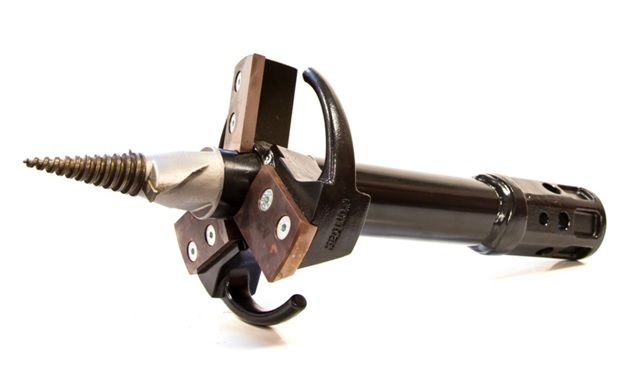
Picking an auger sounds simple until you actually get on site and start drilling. Then things change fast. One minute it’s smooth, next minute the bit’s stuck, machine’s struggling, and you’re burning time trying to figure out what went wrong.
Most of the time, it’s not the machine. It’s not even the attachment quality.
It’s the mismatch between the soil and the auger you’re using.
Once you understand that, everything gets easier.
Now when you’re choosing an auger for mini excavator, you’re not just picking a tool you’re matching it to the ground conditions. And yeah, that part gets overlooked way too often.
Why Soil Type Matters More Than Anything
You can have the best auger on the market, solid hydraulics, experienced operator… and still struggle if the soil isn’t right for your setup.
Different soils behave differently:
- Some collapse
- Some pack tight
- Some fight back with rock and resistance
And your auger has to handle that.
If it doesn’t, you’ll see:
- Slow drilling
- Overheating hydraulics
- Worn-out teeth way too early
So yeah, soil type isn’t a small detail. It’s the main factor.
Soft Soil and Sand – Looks Easy, But Not Always
Soft ground feels like the easiest place to work. And most of the time, it is.
But it comes with its own issues.
Loose soil tends to fall back into the hole. You drill down, pull up, and half your work fills back in. Frustrating.
For this kind of ground, you want:
- Standard earth auger bits
- Wider flighting to move material out faster
- Clean cutting edges
Speed matters here, but control matters more.
If you rush, you’ll end up re-drilling the same hole.
Clay Soil – Sticky and Slow
Clay is a different beast.
It sticks to everything. Builds up on the auger, reduces efficiency, and makes the machine work harder than it should.
You’ll feel it almost immediately.
For clay, you need:
- Heavy-duty auger bits
- Sharp teeth that can cut through compact material
- Good spacing to prevent clogging
And here’s the trick — don’t force it.
Let the auger work at its pace. Too much pressure just packs the clay tighter.
Rocky Ground – Where Things Get Serious
This is where cheap setups fail fast.
Rocky soil or mixed ground with stones requires a completely different approach. Standard augers won’t last long here.
You need:
- Rock auger bits
- Replaceable, hardened teeth
- Strong flighting that won’t bend under pressure
And even then, it’s not about speed. It’s about control and patience.
Trying to rush through rocky ground usually ends in damaged equipment.
This is also where investing in quality matters. Brands like Spartan Equipment build augers that can actually handle these conditions without falling apart halfway through the job.
Frozen or Hard-Packed Ground
Cold regions or long-unused land can leave you with ground that’s almost like concrete.
You’ll notice:
- Slow penetration
- High resistance
- Increased strain on the machine
For this, you need aggressive cutting teeth and steady hydraulic power.
Sometimes, pre-breaking the surface helps. Don’t just drop the auger and expect it to drill clean right away.
Matching Auger Size to Soil Conditions
This part gets ignored more than it should.
Bigger isn’t always better.
A large-diameter auger in tough soil puts more strain on the machine. Slows everything down. Sometimes stalls completely.
Smaller diameters:
- Cut faster
- Put less load on hydraulics
- Work better in dense soil
Larger diameters:
- Good for soft ground
- Better for wide holes
- Require more power
So yeah, size matters. Just not in the way most people think.
Hydraulic Flow – The Hidden Factor
Even the right auger won’t perform if your machine isn’t supplying proper flow.
Low flow:
- Slower rotation
- Less cutting power
High flow:
- Faster drilling
- Better performance in tough soil
But too much flow without control? That causes wear and tear faster.
It’s about balance.
If you’ve ever run something like a mini excavator rake attachment, you already know smooth hydraulic control changes everything. Same idea here, just more noticeable.
Operator Technique – Makes or Breaks the Job
You can have the perfect auger and still struggle if the operation is off.
Common mistakes:
- Forcing the auger down
- Not clearing soil frequently
- Running at inconsistent speeds
Better approach:
- Drill in stages
- Lift and clear regularly
- Keep steady pressure
It’s not complicated, but it does take awareness.
Switching Attachments When Needed
Sometimes the auger isn’t the first step.
If the surface is covered with debris, roots, or loose material, clearing it first helps a lot. That’s where something like a mini excavator rake attachment comes in.
Clean the area. Prep the ground. Then drill.
It saves time in the long run. And reduces wear on the auger too.
Durability vs Price – Don’t Mix Them Up
Cheap augers look tempting. Lower upfront cost, gets the job started.
But in tough soil? They wear out fast.
Bent flighting, dull teeth, poor performance — and suddenly you’re spending more replacing parts.
A well-built auger for mini excavator costs more upfront, yeah. But it holds up. Performs consistently. Handles different soil types without constant issues.
That’s where brands like Spartan Equipment stand out. Built for real work, not just light-duty use.
FAQ – What Operators Usually Ask
What is the best auger for mixed soil conditions?
A heavy-duty auger with replaceable teeth works best. It handles variation without needing constant changes.
Can I use one auger for all soil types?
Technically yes, but performance will vary. Specialized augers perform better in specific conditions.
Why does my auger get stuck?
Usually due to wrong bit type, poor soil clearing, or forcing the drill too hard.
Do I need to prep the ground before drilling?
In many cases, yes. Using a mini excavator rake attachment to clear debris helps improve drilling efficiency.
How do I reduce wear on auger teeth?
Use the right bit for the soil, avoid forcing the drill, and replace worn teeth early.
Final Thoughts
Choosing the right auger for mini excavator isn’t about picking the biggest or most expensive option. It’s about understanding the ground you’re working on.
Soft soil, clay, rock — each one needs a slightly different approach. Get that right, and everything else falls into place. And don’t forget, the auger is just one part of the job. Prep work matters. Technique matters. Even switching to something like a mini excavator rake attachment before drilling can make a difference.
Work with the ground, not against it. That’s how you get clean holes, faster jobs, and equipment that actually lasts.