
Anxiety can affect the way you think, feel and respond to everyday situations. While occasional anxiety is a normal human experience, ongoing or intense anxiety may begin to interfere with work, relationships, sleep, concentration and daily routines. Understanding practical strategies for managing anxiety can help you recognise patterns and consider when professional support may be useful.
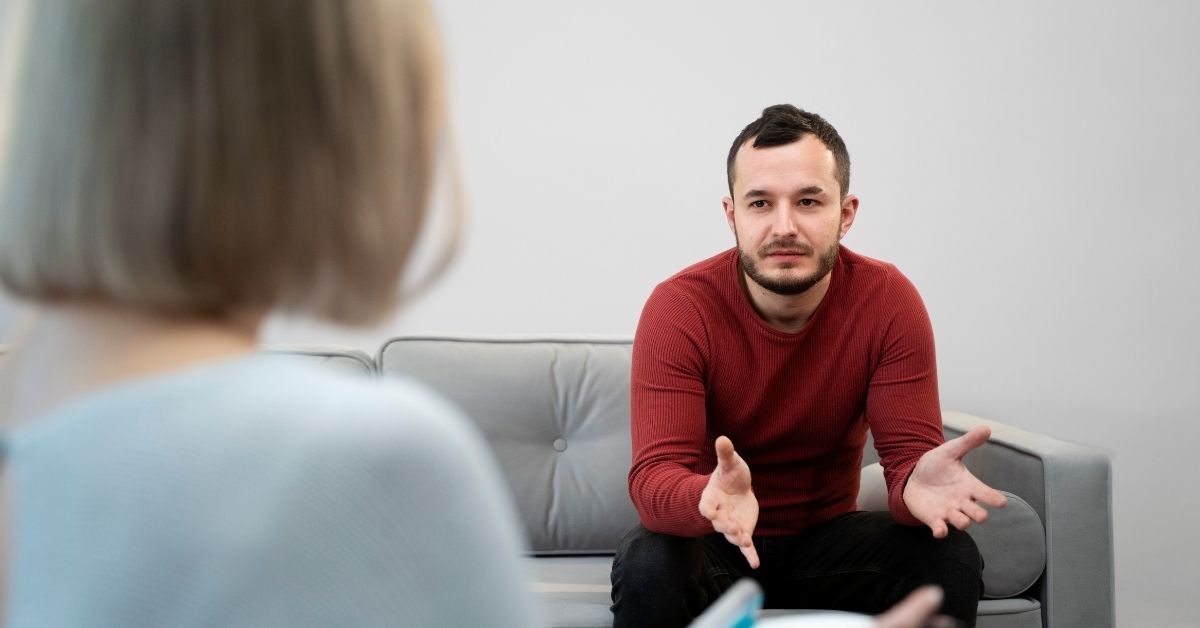
Understanding Anxiety Experiences and Symptoms
Anxiety is often associated with worry about possible future events. You may find yourself repeatedly thinking about what could go wrong, preparing for negative outcomes or avoiding situations that feel uncomfortable.
Physical symptoms can also occur. These may include muscle tension, restlessness, racing thoughts, increased heart rate, sweating or difficulty sleeping.
Anxiety can vary considerably from one person to another. Some people experience general worry, while others may experience panic, social anxiety, specific fears or anxiety connected with particular circumstances.
Notice Your Triggers
One useful starting point is identifying situations that tend to increase your anxiety.
You might notice that your anxiety becomes stronger before meetings, social events, travel, difficult conversations or major changes.
Keeping a simple record of situations, thoughts, physical sensations and responses may help you identify recurring patterns.
Recognising triggers does not mean avoiding everything that makes you uncomfortable. Instead, it can provide useful information about how your anxiety operates.
Pay Attention to Anxious Thoughts
Anxiety can encourage your mind to focus strongly on potential problems.
You may automatically imagine negative outcomes or assume that you will be unable to cope. These thoughts can feel convincing when anxiety is high.
Try noticing the thought rather than immediately treating it as fact. Ask yourself what evidence supports it, whether there are alternative possibilities and how you would respond if the situation did not go as expected.
Use Grounding Strategies for Anxiety
When anxiety becomes intense, grounding techniques may help you reconnect with the present moment.
You could focus on your breathing, notice physical sensations around you or identify objects in your environment.
Simple grounding activities can be especially useful when your thoughts feel overwhelming or when you notice yourself becoming increasingly focused on future possibilities.
Develop Healthy Routines to Manage Anxiety
Regular routines can support overall emotional wellbeing.
Adequate sleep, physical activity, nutritious meals and regular breaks may help you maintain a stronger foundation for managing stress and anxiety.
It is not necessary to make dramatic changes all at once. Small, consistent adjustments can be easier to maintain.
Avoid Relying Entirely on Avoidance
Avoiding situations that cause anxiety can provide short-term relief. However, repeated avoidance may sometimes reinforce the belief that those situations are dangerous or impossible to manage.
With appropriate guidance, gradually approaching difficult situations can help you develop confidence and learn that discomfort does not necessarily mean something is wrong.
The pace should be appropriate for you, particularly if your anxiety is severe or connected with trauma.
Know When to Seek Professional Support for Anxiety
Self-help strategies can be useful, but they may not always be enough.
If anxiety is persistent, significantly affecting your daily life or becoming increasingly difficult to manage, speaking with a qualified mental health professional can provide additional support.
Psychological therapy can help you understand anxiety patterns, develop coping strategies and work towards meaningful changes.
If you are exploring anxiety treatment Melbourne options, professional guidance may help you identify an approach that matches your concerns and goals.
Building Long-Term Skills to Manage Anxiety
Managing anxiety is often about developing skills rather than trying to eliminate every anxious thought or feeling.
You can learn to recognise unhelpful patterns, respond differently to difficult thoughts and gradually build confidence in your ability to manage uncertainty.
With appropriate support, these skills can become part of your everyday life.
Final Thoughts and Starting Anxiety Treatment
Anxiety can feel overwhelming, but experiencing anxiety does not mean that you are unable to cope. Understanding your triggers, challenging unhelpful thinking patterns, maintaining healthy routines and seeking professional support when needed can all contribute to better emotional wellbeing.
If anxiety is affecting your everyday life, Positive Wellbeing Psychology and Psychiatry can help you explore appropriate psychological support. Learn more about available services and take a positive step towards developing practical strategies for managing anxiety.
Frequently Asked Questions
What is the difference between normal anxiety and an anxiety disorder?
Normal anxiety is usually temporary and connected with particular situations. An anxiety disorder may involve persistent or excessive anxiety that significantly affects everyday life.
Can therapy help with anxiety?
Psychological therapy can help you understand anxiety patterns, develop coping strategies and work towards healthier responses.
Can lifestyle changes reduce anxiety?
Healthy routines involving sleep, physical activity, nutrition and regular breaks may support emotional wellbeing, although they may not replace professional treatment when anxiety is significant.
Should I avoid situations that make me anxious?
Avoidance can provide short-term relief but may sometimes reinforce anxiety. A warm and compassionate psychologist at Positive Wellbeing Psychology can help you approach difficult situations safely and gradually.