
Engineered hardwood is now one of the most sought-after floors for contemporary homes due to its ability to combine the beauty and natural appeal of wood while enhancing strength and stability. Engineered hardwood is made to work well in various indoor settings and outdoor environments, it offers homeowners a beautiful flooring option which can stand up to wear and tear and maintain its beautiful look. When it comes to renovating one space or updating the entire house knowing the characteristics as well as the benefits and care requirements of engineered wood can help homeowners make an educated flooring choice.
What Is Engineered Hardwood?
Engineered hardwood is one of the types of flooring that is made up of many layers of wood that are joined to each other under pressure. The top layer is made of real hardwood. The primary layers are usually made out of high-density wood or plywood that is laid in an alternating direction for increased durability.
Contrary to solid hardwood engineered hardwood has been designed to reduce the amount of the expansion and contraction triggered by fluctuations in temperature or humidity. Its construction allows it to be used to a greater variety of interior spaces, while still retaining the natural nature and appearance of wood.
How Engineered Hardwood Is Made
The production process starts with choosing a top hardwood veneer for the floor layer. The veneer is fixed to a variety of cross-layered core panels which strengthen flooring, and increase the stability of its dimensional.
After assembly and cured, planks are given protective coatings that increase their durability, prevent scratches and ease routine maintenance. Modern manufacturing methods also create uniform plank sizes, which allows to have a more clean and accurate installation.
Benefits of Engineered Hardwood Flooring
Natural Beauty
Because the top layer is authentic hardwood, engineered hardwood provides the same warmth, appearance, and texture as traditional wood flooring.
Improved Stability
Its layers of construction limit motion caused by seasonal variations in humidity, which makes it more durable in different environments.
Wide Variety of Styles
The homeowners can pick from a variety of types of wood species, colors texture, finishes and size of planks that complement the modern as well as traditional style of interiors.
Long-Term Value
If properly maintained and maintenance, engineered wood can offer an extended period of reliable performance as well as enhancing the look of your home as well as its resale value.
Easy Maintenance
Routine sweeping, occasional vacuuming, and cleaning with manufacturer-approved products are usually enough to keep engineered hardwood looking its best.
Engineered Hardwood is different from. Solid Hardwood
Though both types of flooring offer genuine wood flooring however, there are some significant variations.
| Feature | Engineered Hardwood | Solid Hardwood |
|---|---|---|
| Construction | Multiple layers of layers of the core | One solid plank of wood |
| Moisture Resistance | Better | Moderate |
| Temperature Stability | Excellent | Moderate |
| Installation Options | Multiple methods | Primarily, nail-down |
| Suitable Locations | Multi-functional | Some areas are restricted. |
Both types of flooring offer exceptional aesthetics. But, engineered hardwood typically offers greater versatility for those looking for flooring made of wood in regions that have a variety of environmental conditions.
Where Engineered Hardwood Works Best
Engineered hardwood can be used in numerous areas in a home and includes:
- Living rooms
- Bedrooms
- Dining rooms
- Hallways
- Offices at home
- Complete basements
- Condominiums
- Multi-level houses
Its increased stability can be particularly beneficial for areas where hardwood might experience more movements due to changes in humidity.
Installation Considerations
A properly installed flooring has a huge effect on the performance of engineered wood flooring. Prior to installation the flooring must be level, clean dry and structurally sound. Testing for moisture and the proper acclimatization of flooring material can help decrease the chance of future problems.
The professional engineered wood floor installation guarantees accurate measurement, the right expansion gap and secure flooring positioning, leading to the floor being functional in the way it was intended to for a long time.
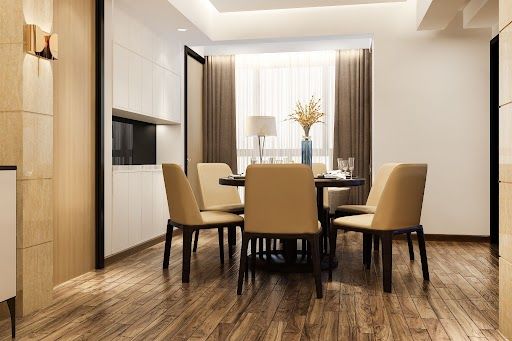
Caring for Engineered Hardwood
The maintenance of engineered hardwood doesn't need a lot of effort. However, regular care can help preserve its beauty.
The homeowners are advised to:
- Clean or sweep regularly.
- Make sure to clean up spills as soon as they occur.
- Use felt pads beneath furniture.
- Avoid excessive moisture during cleaning.
- Make sure that the indoor humidity remains stable.
- Place mats near exterior entrances.
By following these easy steps, you can greatly prolong the life of flooring and preserve its original look.
Common Mistakes to Avoid
Many mistakes made during installation or maintenance could reduce the life for engineered wood flooring.
Ignoring Moisture Levels
The installation of flooring on damp subfloors can cause issues with performance over the long term.
Skipping Acclimation
allowing flooring to adapt to indoor temperatures prior to installation can help improve stability following the installation.
Using Harsh Cleaning Products
Abrasive cleaners, excessive water or even abrasive chemicals could damage the finish.
Dragging Heavy Furniture
Furniture that is moved without pads could cause damage and scratches that can be impossible to repair.
When Professional Installation Is Recommended
While some people are considering making flooring by themselves, a professionals often provide better result. Professionally trained flooring professionals know subfloor preparation, managing moisture as well as layout and finishing strategies that contribute to a more durable floor.
Numerous homeowners who are looking for floor installation services near me can benefit from hiring experts with years of experience who will recommend best materials to use and guarantee that the flooring is put in place as per the guidelines of the manufacturer.
Final Thoughts
Engineered wood is an ideal blend of natural beauty, durability, and structural benefit. The versatility of its construction permits homeowners to appreciate the look real hardwood and reduce several of the problems related to seasonal movements as well as changing indoor climates.
If it is properly picked when it is professionally installed and properly maintained, engineered wood will remain a desirable aspect of homes for many years. Knowing the construction process, its benefits of installation, requirements for installation, and the best practices for maintenance will help homeowners select flooring that is appropriate for their personal style as well as their living spaces.
Frequently Asked Questions
Does engineered wood really look like real wood?
Yes. The top layer of the wood is real hardwood that gives its look and feel of natural wood.
How long do engineered hardwoods last?
Utilizing high-quality materials, expert installation and routine maintenance, engineered wood can last for many years.
Engineered hardwood can be installed on concrete?
Yes. The majority of engineered hardwood products are specifically designed to be installed over concrete subfloors properly poured and prepared.
Are engineered hardwoods suitable for pet-friendly homes?
Yes. The majority of engineered hardwood products have tough finishes to withstand the wear of everyday use, however the use of protective measures is advised.
Do engineered hardwoods increase the home's price?
The best engineered flooring typically considered to be a desired house improvement that can improve both the appearance as well as market appeal.