
Introduction
Warm water matters in daily routines. Showering leads into dishwashing, while clothes get cleaned alongside household surfaces. Families count on steady heat sources just to keep things running. Old-style tanks once ruled every basement, though newer methods arrived through invention. Right now some people pick point-of-use models instead of bulky boxes that store hot liquid. One kind holds gallons ready at all times, whereas another fires up only when needed. Thinking about energy flow, space needs, and long-term upkeep shapes what fits each house best.
How Tankless Water Heaters Operate
Instead of holding gallons of water and reheating them all day long, these units fire up just when you need warmth. Open a faucet, feel the chill flow inside, then watch it warm fast en route to your hand. Without a bulky reservoir sitting idle, power stays focused instead of bleeding into standby loss. That snap response - heat arriving exactly when called - is why more people eye this setup today. Quiet efficiency often wins where old tanks once clanked and idled.
Improved Energy Efficiency
What makes instant water heaters tankless stand out? Their knack for using less energy. Instead of keeping a full tank warm around the clock, they kick in only when someone turns on a tap. That means no wasted heat during quiet hours. Bills often shrink after switching - though exactly how much depends on how large a family is and their routines. Since every drop gets heated on demand, it just uses what's needed. Efficiency like that tends to sway decisions pretty fast.
Always On Hot Water
Bursting into a cold shower mid rinse stings more when three others went before you. Old style heaters hold only what fits inside their metal belly. When that warmth runs thin, patience becomes part of the routine until heat builds back up. Without needing storage, sleeker models fire up instantly as liquid moves across hidden coils. Big homes where showers stack one after another tend to feel this ease most.
Space-Saving Design
Out in the open, storage tanks take up room - sometimes too much - in garages, basements, or closets. Wall-mounted tankless models slip into tighter spots, leaving floors clear for other uses. When space matters, their slim shape stands out. Because they need less area, shifting walls or reworking layouts gets easier down the line.
Longer Equipment Lifespan
Most tankless units outlast standard models by quite a bit. Though older heaters tend to fail within a decade, these compact versions typically keep working much longer if looked after. Because they do not hold hot water around the clock, parts degrade more slowly. People who check them regularly might get decades without issues, which could save money over time despite the initial price.
Less Chance of Water Harm
Old-style water heaters hold lots of water inside a big container. When that container cracks or wears out, it might spill. Spilled water often harms floors, walls, or nearby rooms. Units without tanks skip this issue entirely - no stored water means no tank to burst. Plumbing joints could still develop drips over years. Yet the chance of sudden flooding from a broken tank drops sharply with tankless models.
Things to Think About Before You Upgrade
Even without a drain cleaning katy tx these units might still fall short for certain homes. Pricier setup fees usually come up compared to older heater types. Electrical updates, gas pipe changes, or vent modifications could become necessary first. Weighing upfront charges against future energy cuts makes sense before deciding.
Evaluating Household Hot Water Demand
Most homes need careful thinking about how much hot water they actually use before picking a tankless setup. While some models work well for light use, others power through heavy demand without breaking stride. If the device runs short during peak times - like showers and dishwashing overlapping - it might leave someone cold. Instead of guessing, talk with an experienced plumber who sees these setups daily; their insight often reveals what specs truly fit your home’s rhythm. Matching the right flow rate and temperature rise keeps things steady when routines get busy.
Professional Installation Matters
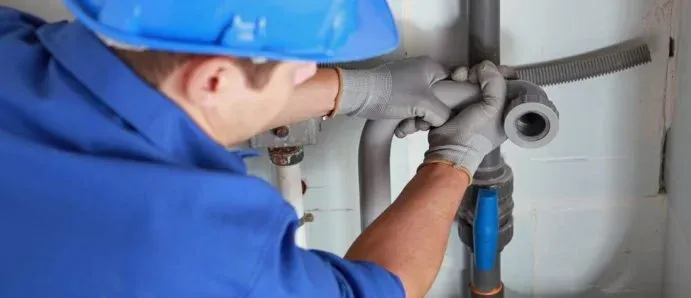
Getting things set up right makes a big difference in how well a water heater works and how long it lasts. Since trained plumbers understand home needs, they pick the right gear while following area rules. When setup goes wrong, results suffer, opening the door to expensive fixes later on. Relying on skilled hands brings out the best when switching to a tankless model.
Conclusion
One reason some pick tankless heaters? They skip wasted energy by heating water only when needed. A steady flow of warm water shows up fast - no waiting, no guesswork. These units hang on walls, freeing floor corners once taken by bulky tanks. Over time, they tend to outlast older models that store heated water all day. True, buying one feels steep at first glance. Still, lower bills across months often balance the early spend. Every home runs differently, so matching a unit to actual use matters most. Plumbing and gas lines might need updates before mounting anything. Talking with someone who installs these helps avoid surprises later. Comfort spreads through showers, sinks, even laundry without sudden cold cuts. Years pass, yet performance holds firm when care is given. Some call it smarter - heating stops when taps close, nothing lingers burning fuel.