
Compressed air piping in Central Illinois doesn't get talked about much until something breaks. Then everybody's suddenly an expert. I've been in and out of plants, garages, and small manufacturing shops around this part of the state for years now, and the pattern is always the same — nobody thinks about their air lines until pressure drops or a leak starts hissing loud enough to notice.
Need Compressed Air Piping Central Illinois done right the first time? Our crews handle sizing, layout, and installation for shops and plants across the region — no guesswork, no repeat visits. Get a quote before your next leak turns into a shutdown.
That's usually when the questions start rolling in. What size pipe do I need? Should I go aluminum or steel? Can I just patch this old system or do I need to rip it out?
The Basics Nobody Explains Well
Compressed air sounds simple. Air goes in a compressor, gets pushed through pipes, comes out the other end doing work — running tools, actuators, spray guns, whatever. But the piping part is where things go sideways for a lot of shops. Undersized pipe chokes airflow. Old galvanized steel rusts from the inside and flakes into your system. Leaky fittings waste more energy than most owners realize, sometimes 20 to 30 percent of what the compressor's actually producing. That's real money, every month, just leaking into the air.
Why Local Conditions Actually Matter
Illinois weather isn't gentle. Humidity swings, temperature drops, that freeze-thaw cycle every winter — it all plays into how a compressed air system holds up over time. Moisture in the lines is a bigger deal here than folks expect. Condensation builds inside pipes, especially with older steel setups, and that moisture works its way into tools and equipment if there's no proper drainage or drying setup. A system designed without accounting for that is basically built to fail early.
Steel, Aluminum, or Something Else
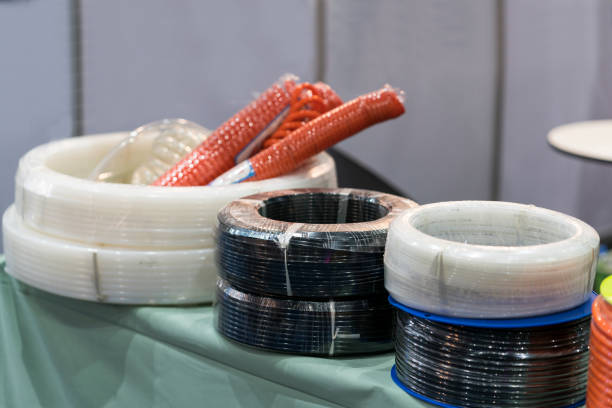
There's always debate on pipe material and honestly, there's no one right answer for every shop. Steel's been the old standby forever, it's tough, but it rusts and it's heavy to install. Aluminum's become the more popular choice lately, lighter, corrosion resistant, easier to modify down the road if you're expanding your shop layout. Some smaller operations go with reinforced plastic piping too, which works fine for lower pressure applications but isn't always the best call for heavier industrial use. It really comes down to what you're running and how much pressure your equipment needs day to day.
The Leak Problem Everyone Underestimates
I'll be blunt here — leaks are the silent budget killer in almost every shop I've walked into. A pinhole leak might seem like nothing, barely a hiss you can hear over the machines. But add up a dozen small leaks across an aging system and you're paying for compressed air that's just escaping into the shop floor, doing nothing. Regular inspection matters more than people think, and honestly most businesses don't do it until something forces the issue, like a spike in the electric bill or a compressor that suddenly can't keep up with demand anymore.
Sizing It Right the First Time
Getting pipe diameter correct from the start saves a world of headaches later. Undersized piping creates pressure drop, which means your tools underperform even if the compressor itself is working fine. It's a common mistake, especially in older buildings that were piped decades ago for a totally different set of equipment. Shops expand, add machines, add air-hungry tools, but the piping stays the same size it was in 1995. That mismatch causes more downtime than people give it credit for.
Planning for Growth, Not Just Today
A lot of owners plan their compressed air setup around what they need right now, this month, this year. That's understandable, budgets are tight, but it's short sighted. If there's any chance of adding equipment or expanding the shop in the next few years, it's worth designing the piping layout with some extra capacity built in from day one. Ring mains and loop systems tend to handle future changes better than a straight branch layout, since they distribute air pressure more evenly and give you flexibility to tap in new drops without redoing the whole system.
Maintenance Isn't Optional, It's Cheaper Than Replacement
Preventive maintenance on compressed air piping doesn't get the attention it deserves. Regular checks for corrosion, fitting integrity, drain function, insulation where needed — none of it's glamorous work but it extends the life of the whole system by years. Shops that skip maintenance almost always end up paying more down the line, either through emergency repairs or full system replacement way before it should've been necessary. It's one of those things where a little bit of attention now beats a big expense later, every time.
Bringing In the Right Help
Not every shop has someone on staff who really understands piping design, and that's fine, that's what contractors are for. What matters is finding someone who's actually worked on systems in this region, who understands the climate factors, the building codes, and the kind of equipment common to Central Illinois operations. A cookie cutter install from someone who's never dealt with our winters or our older industrial buildings can leave you with a system that looks fine on paper but underperforms once it's actually running day to day.
Conclusion
At the end of the day, compressed air piping isn't the most exciting part of running a shop, but it's one of those systems that quietly affects everything else—productivity, energy costs, tool performance, and even how often you're dealing with unplanned downtime. Central Illinois shops that take the time to get their piping right, with proper sizing, the right materials, and a consistent maintenance schedule, tend to run smoother and spend less over the long haul. Professional commercial plumbing services can help businesses maintain reliable piping infrastructure, identify potential issues, and prevent costly disruptions. It's worth investing in proper planning and experienced contractors upfront rather than waiting for a leak or system failure to force the conversation.
Frequently Asked Questions
What pipe material is most suitable for compressed air systems in Central Illinois?
Aluminum is the preferred choice due to its corrosion resistance properties. However, steel is also widely applied in industrial facilities across Central Illinois, as it can withstand the fluctuating temperatures and humidity.
How often should compressed air piping be checked for leaks?
The quarterly inspection is advisable while the monthly check is more appropriate for heavily used compressed air piping.
Is it possible to upgrade existing compressed air piping?
Upgrades are always possible unless the installation site and the existing infrastructure were designed together.
Why does the pressure of my compressed air decrease while working in an old building?
The reason for the pressure drop is either the insufficient pipe diameter or a significant degree of corrosion that narrows the pipe flow area.